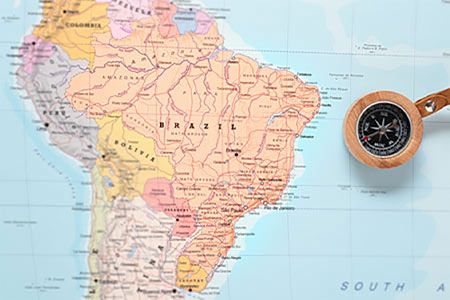
Yara starts production of renewable-based ammonia in Brazil
The first in Brazil, Yara now produces ammonia made from renewable biomethane and has already delivered the first tonnes of lower carbon product to its customers.

Browse the latest nitrogen news and articles.
The first in Brazil, Yara now produces ammonia made from renewable biomethane and has already delivered the first tonnes of lower carbon product to its customers.

The catalyst is performing successfully at Sichuan Lutianhua's nitric acid plant and is projected to reduce annual emissions by 275 000 of CO2e.
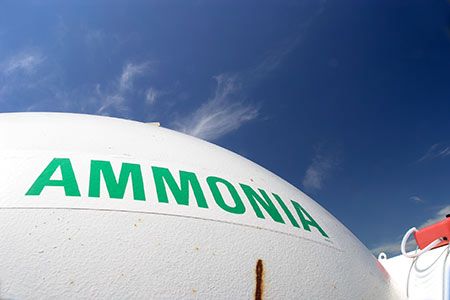
Topsoe will deliver a synthesis technology enabling the efficient conversion of green hydrogen to green ammonia, and will also deliver engineering design, proprietary hardware and catalysts for the plant.
During FEED, engineers and designers create detailed plans for the facility, including how it will use technology to capture carbon and how materials will move through the plant.
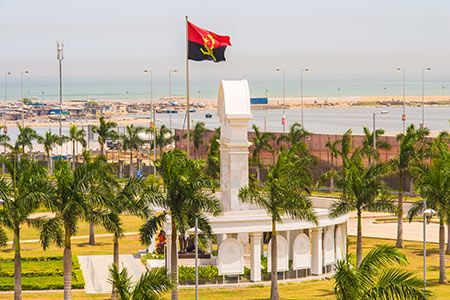
Under the terms of the contract, KBR will provide a technology license, proprietary engineering design, equipment and catalyst solutions for AMUFERT's 2300 tpd ammonia plant.
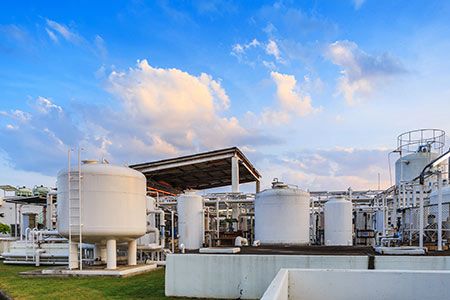
Clariant has announced the successful installation of its catalyst technology at Hengli Petrochemical's nitric acid plant.
The study, a collaboration of researchers from the University of Wisconsin-Madison, Purdue University, and Pivot Bio, presented evidence showing how gene-editing enhances microbes' ability to fix atmospheric nitrogen and transfer it to cereal crops.
Copernic plans to scale its ammonia synthesis catalyst to the kg-scale, and to expand beyond that work to develop a second catalyst target for the Fischer-Tropsch syngas-to-sustainable aviation fuel (SAF) with Schrödinger, thereby improving the carbon footprint of the aviation industry.

Stamicarbon will apply its proprietary technology for a tailor-made solution to remove nitrous oxide from the tail gas stream, optimising nitric acid production and reducing the carbon footprint of the plant.
This project will establish the world’s first hybrid green ammonia production facility, utilising an ammonia plant operated by Pupuk Iskandar Muda (PIM), a subsidiary of Pupuk Indonesia, in Aceh.
The product comes from renewable sources and has up to a 90% lower carbon footprint compared to similar fertilizer produced with fossil-based natural gas.
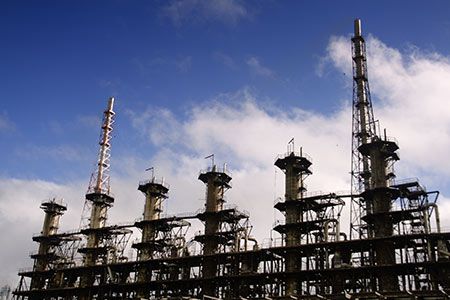
The expanded capacity of the proposed facility expects to produce over 1 128 000 tpy of ammonia and nitrogen-based fertilizers, including urea, urea ammonium sulfate (UAS), and diesel exhaust fluid (DEF) (based on current market mix expectations).