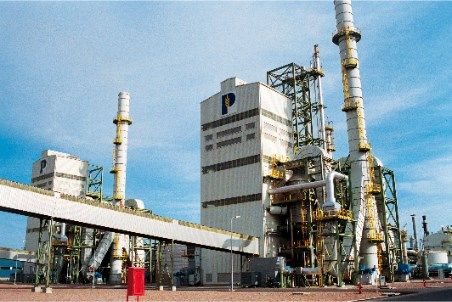
The green ammonia site is located in the 411 000-hectare Capanda Agro Industrial Pole which is serviced by established highways and the Malanje railway line. The Pole will be a ready-made market for nitrogen and already hosts several large farms including the 30 000-hectare biocom sugar plantation.
Boasting a diverse and fertile ecology, Angola holds the potential to become one of the leading agricultural producers on the continent. The country’s arable land is well suited to a variety of crops and livestock including cassava, bananas, potatoes, corn, sweet potatoes, citrus, pineapples, and cattle.
In advance of the pre-feasibility study (PFS), the company is undertaking wet and dry season environmental studies for the Capanda Green Ammonia Project. Baseline environmental surveys are currently being completed by HCV Africa, a specialist consultancy providing international-standard environmental and social services, biodiversity assessments, environmental impact assessments and environmental auditing.
Survey information will feed into the environmental and social impact assessment (ESIA) with work to be completed to an IFC standard and an environmental impact assessment (EIA) to Angolan regulatory requirements.
PFS to further investigate the use of electrolysers to generate green hydrogen, designed to deliver 112 000 tpy of green ammonia to produce 255 000 tpy of finished product, including fertilizer and mining explosives.
Driven by 100%-renewable power from the Capanda hydroelectric complex and supported by a competitive power concession, the study will access what the company believes is one of the only cost-competitive zero-carbon green ammonia projects being developed globally. Hydropower is the single largest renewable energy source globally, with approximately 60% of all renewable electricity generated by hydropower. The renewables sector produces about 16% of total electricity generation from all sources.